There was a discussion recently on Hacker News - on whether you self-host your database, and if so, why ? The common practice currently is to host your database with a service like RDS. Anyone hosting themselves would be doing it for a good reason. The most common reason people shared was price. And everyone agreed in general that better to host any production database on the cloud.
This reminded me of the time when I opposed moving our company’s production database to the cloud. Although I lost the argument eventually, I did argue rather strongly. And when I look back now, my stand does not seem quite that unreasonable.
We were hosting a Mysql database on a VM, the same VM that hosted the application code as well (this was a rather common setup in those days). The business was getting bigger, and it was time to move to a better setup. Better in terms of both reliability and scale. We would need proper backups, monitoring and eventually replication. My plan was to move the database to another VM, and then add these things one step at a time (we had backups already).
Azure didn’t have a managed database offering those days. There was one company, called ClearDb, that used to offer managed Mysql on Azure. I was asked to conduct a technical evaluation. I ran some performance tests on a small instance, and things seemed generally okay. The only problem was the price - all reasonable plan were 200-400 USD a month or more. I mean this was essentially a VM within Azure datacentre on which they would install Mysql plus some more things (for monitoring/replication etc - that I thought I could do as well), and charge ten times the money. And it wasn’t even auto scaling - you decide on the instance size during signup, and hope for the best. And (IIRC) they would start dropping writes when we exceed the storage limits. It felt quite ridiculous actually.
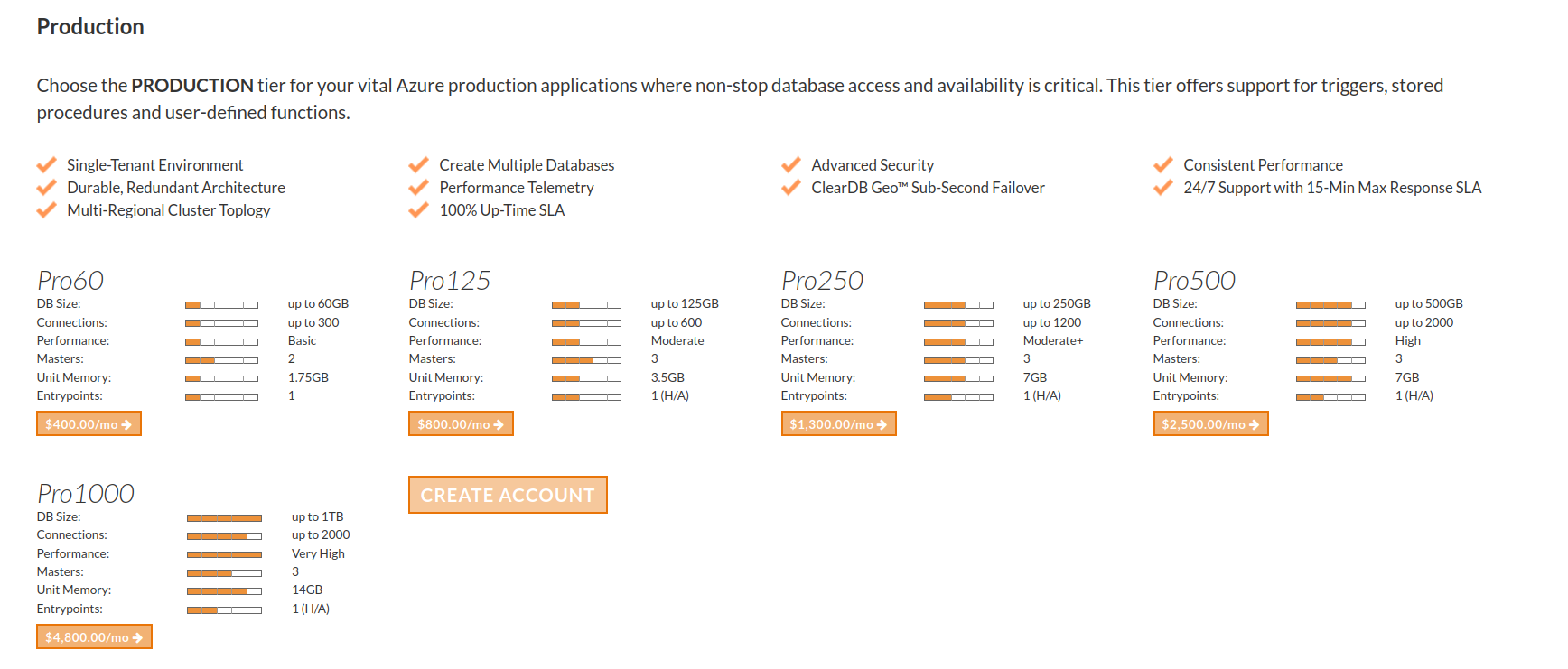
My CEO liked everything about them, especially liked the master-master replication feature. That he thought, would take care of disaster recovery (say from accidental deletions) too. And of course there was this notion:
Don’t be maintaining servers,
focus on your application
Price was not a big concern.
Now here’s my policy when it comes to technical disagreements :
- Share opinions as objectively as possible
- Let the business/product owner have the last word.
The second point is more obvious, any professional should do that. But the first needs more elaboration. Often times my technical views contain more opinions than objective facts. I read tech news and opinions to keep myself up-to-date with multiple viewpoints, but staying hundred percent objective is difficult. Only when I put forth my points before colleagues, is the current validity of those opinions challenged. Sometimes a simple common sense argument from a colleague beats loads of wisdom acquired on the internet.
In this case, however, I did not feel very convinced, but decided continued with the cloud plan because the CEO was so exited about it. We were just about to migrate to ClearDb, when news came out that Azure will offer its own managed database service (similar to RDS).
This was back in 2017 I think. Now, in 2021, its hard to find anyone running a production database self hosted. A lot of hosting providers have come up with managed hosting services (including Digital Ocean recently). Prices have come down and it makes much more sense than before.
My own technical worldview has changed quite a bit. Now that I have been part of less funded projects that need high scalability, a lot of things popular adages now make sense. It seems correct that I need to spare time from system operations so I can focus on the application code. Even if that means higher cost of infrastructure. But then there are several nuances to this that the promoters do not mention.
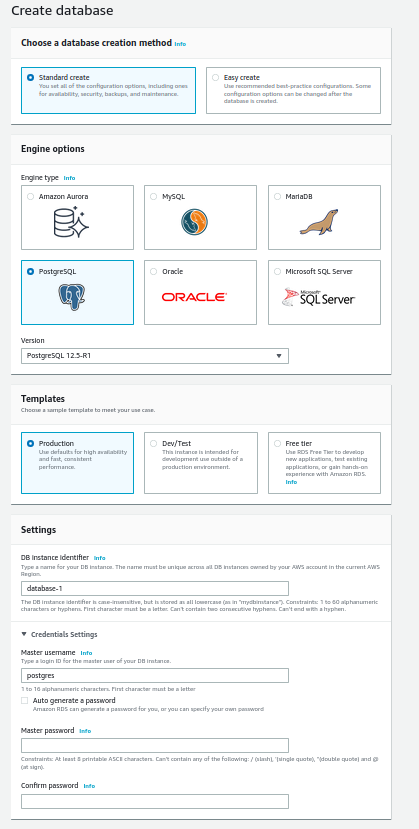
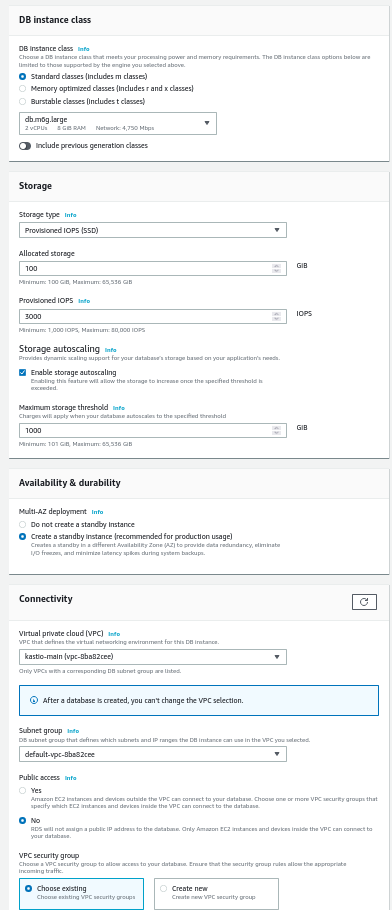
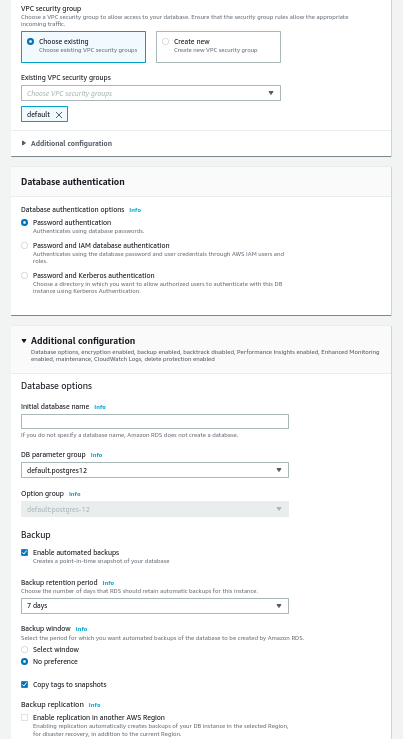
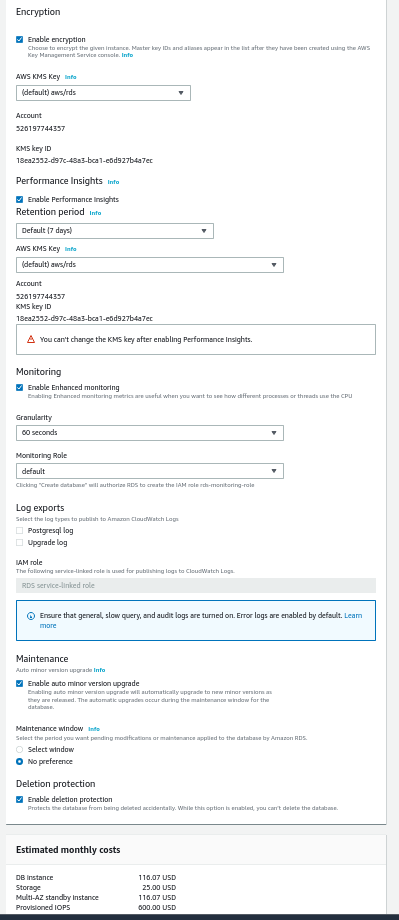
Third, price is still an important consideration. If you think spending hundreds of dollars on a database is too expensive, cloud is not for you. And if we add Serverless in to the mix, bills can get out of control very fast.
2. Though none of them were large scale by any means
3. I know naming things is hard, but still, one of biggest software companies in the world came up with this name for its Mysql offering: ‘Azure Database for Mysql’. It was nearly impossible to reach from search engines.